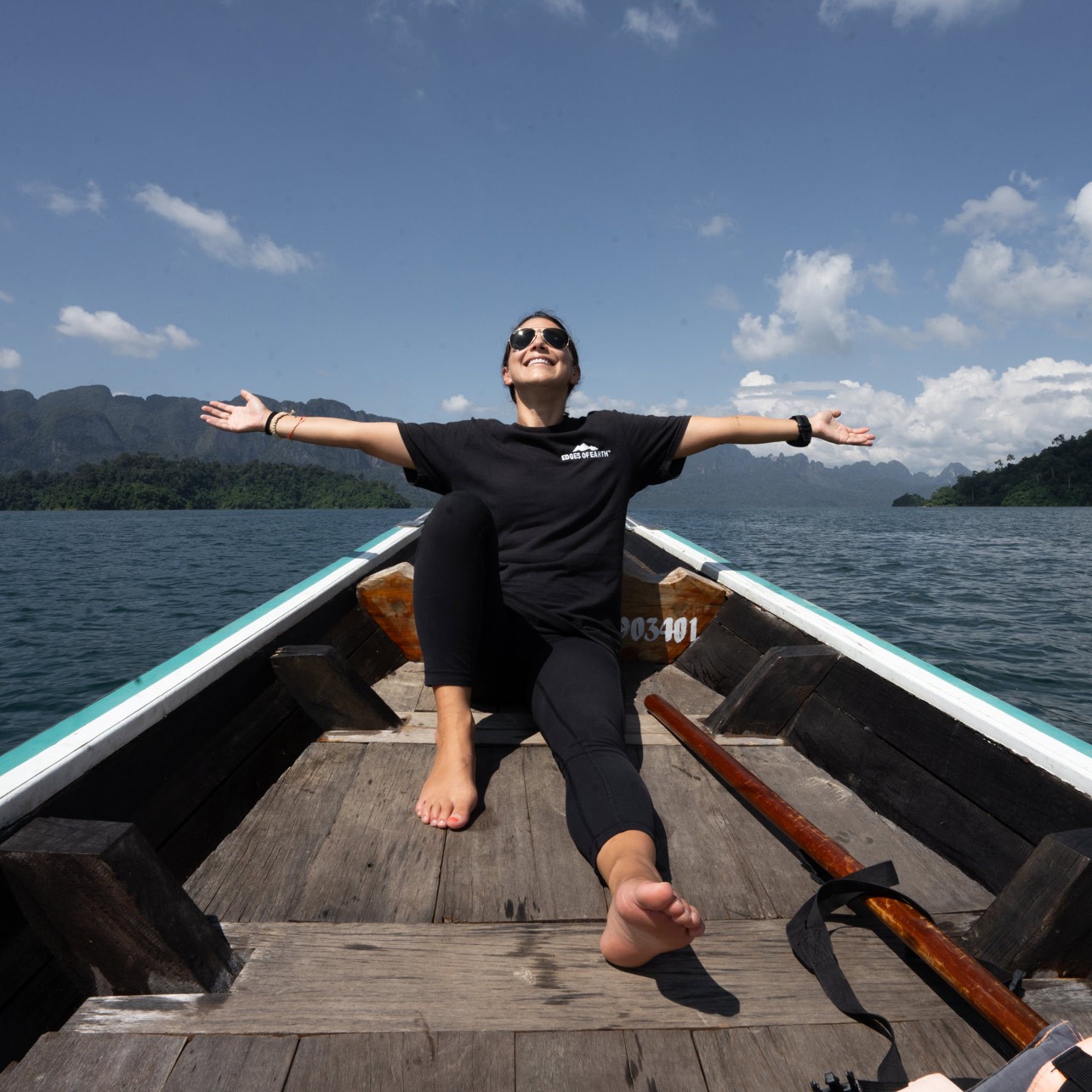
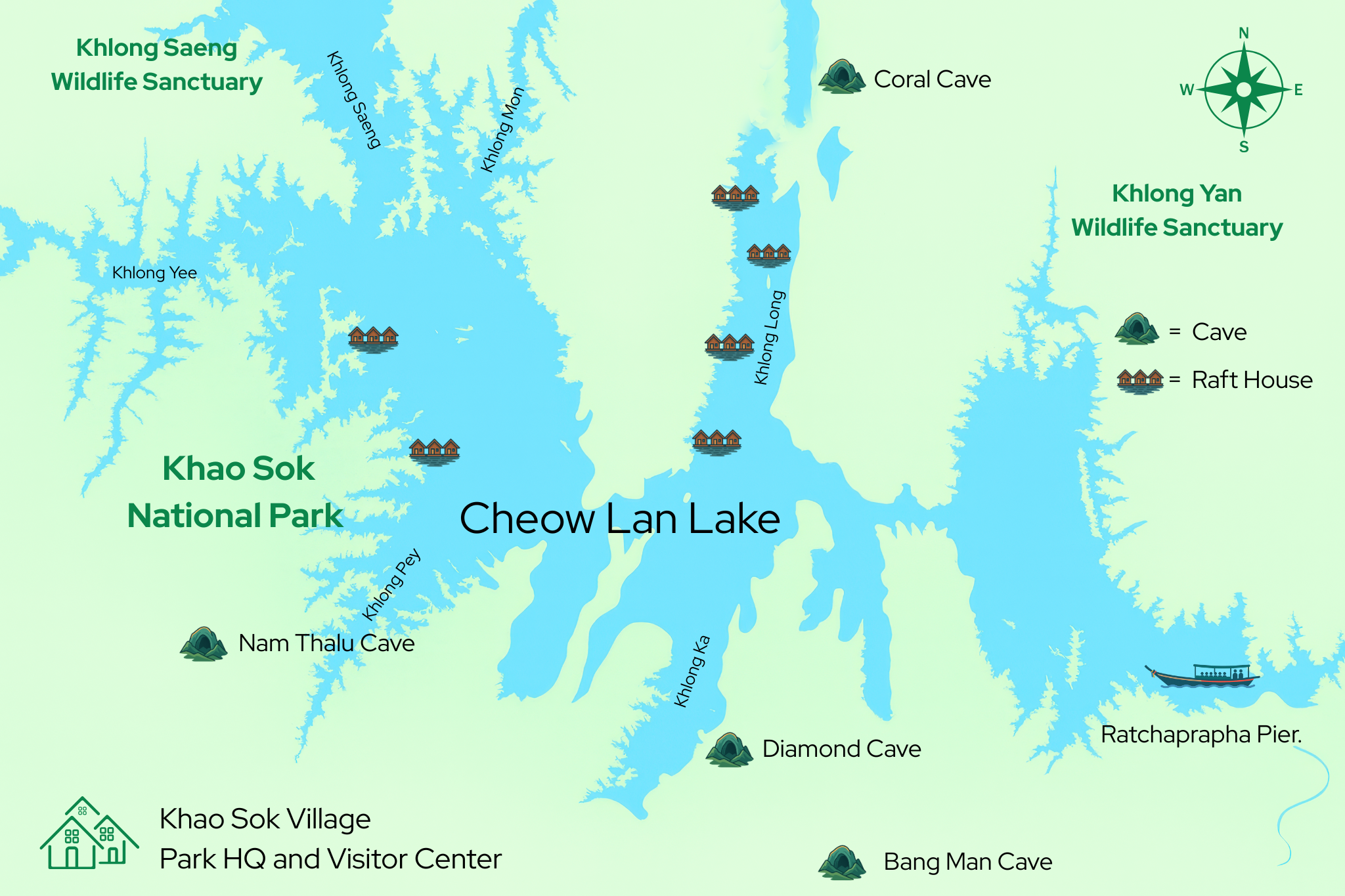
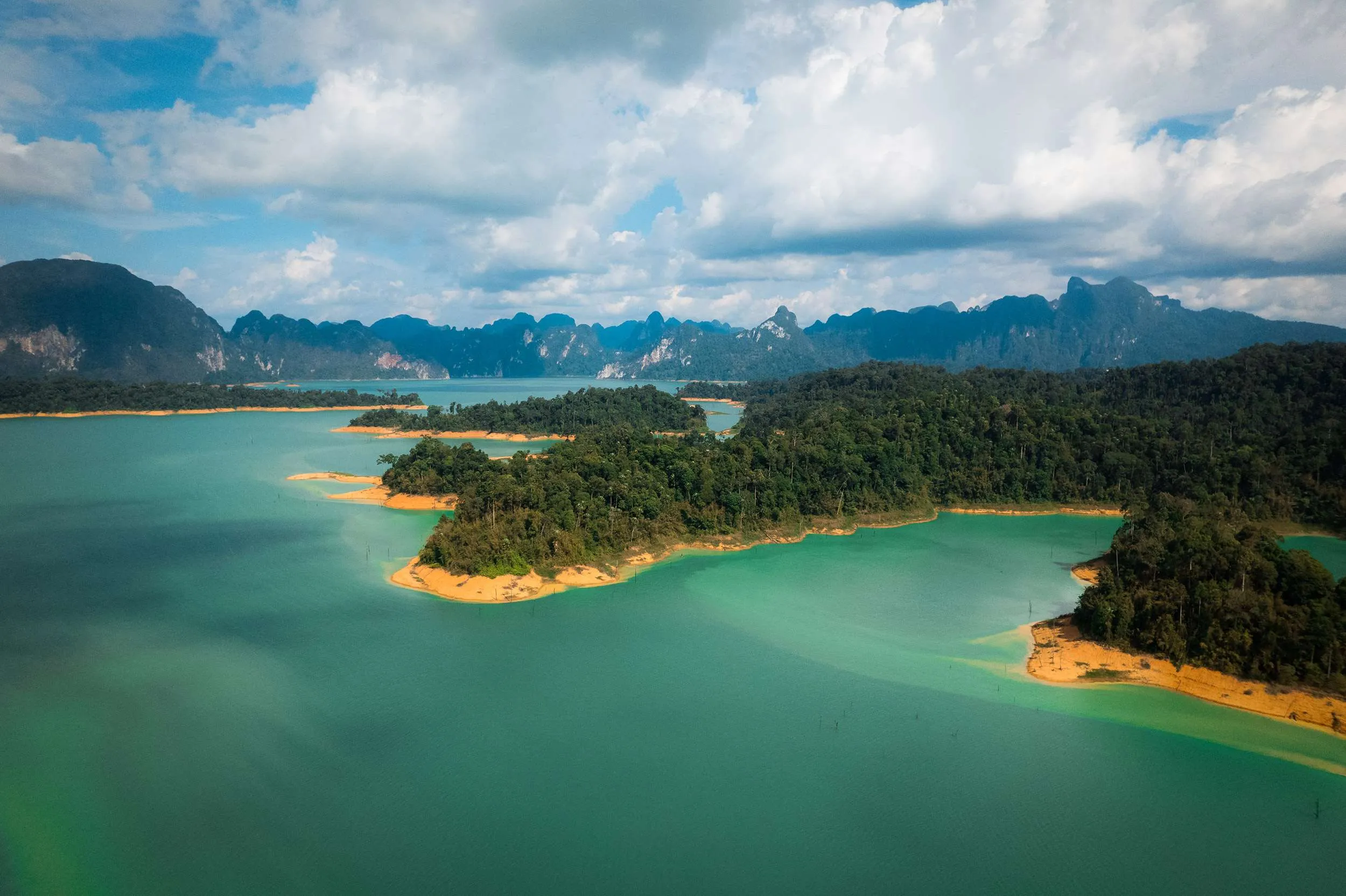
Nestled in the heart of Khao Sok National Park, Cheow Lan Lake is one of the most spectacular natural destinations in southern Thailand. With its emerald waters, towering limestone cliffs, and floating bungalows surrounded by dense jungle, it’s no wonder this lake is often called Thailand’s hidden paradise.
This guide answers the most common questions about Cheow Lan Lake — from how to visit and what to do, to its history, wildlife, and practical travel tips.
Is Cheow Lan Lake Worth Visiting?
Absolutely — 100%.
The lake is consistently rated among Thailand’s top natural attractions. Travelers describe it as a highlight of their entire trip, combining adventure, relaxation, and untouched wilderness in one place.
- Adventure: Kayak through limestone karst scenery, trek into the ancient rainforest, spot the wildlife or explore mysterious caves.
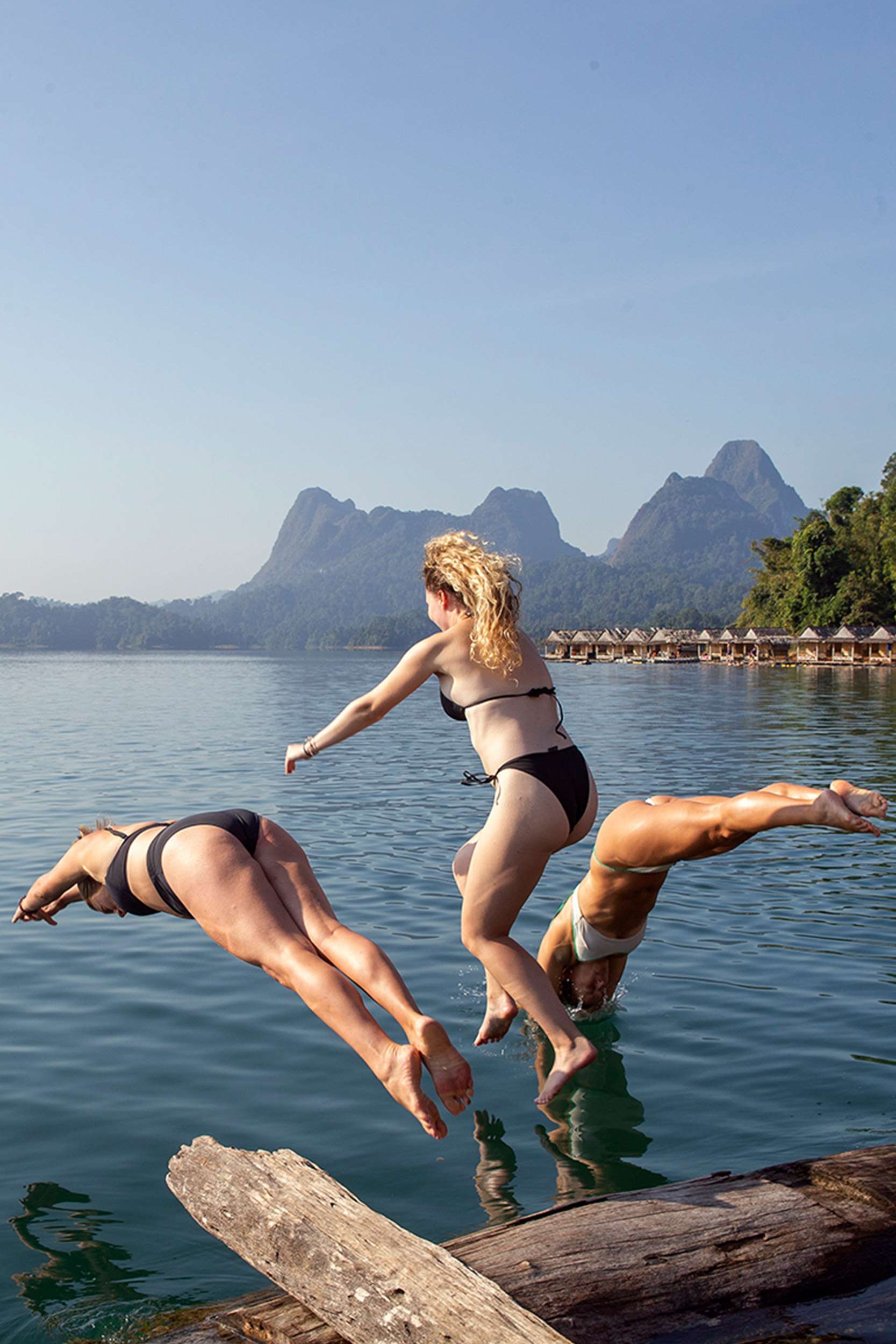
- Relaxation: Stay overnight in floating bungalows, swim in turquoise waters, and wake up to the sounds of gibbons echoing across the lake.
- Scenery: The lake’s serene atmosphere and striking karst formations make it an unforgettable escape from Thailand’s busier beaches and cities.
Why Is It So Famous?
Its dramatic scenery is what first captures the imagination — but the ecological and cultural richness is what keeps visitors talking.
- Scale: Over 165 sq km (100+ km in length).
- Surroundings: Populated by hundreds of steep limestone karsts and is surrounded by lush, tropical rainforest.
- Biodiversity: Part of one of the oldest rainforests on Earth — over 160 million years old.
- Wildlife: You might spot hornbills, gibbons, dusky langurs, or even wild elephants.
- Photography: With its glass-calm waters and dramatic light, it’s a dream for photographers and drone enthusiasts alike.
What is There to Do at Cheow Lan Lake?
Your visit can be as active — or relaxing — as you want it to be.
Top Activities
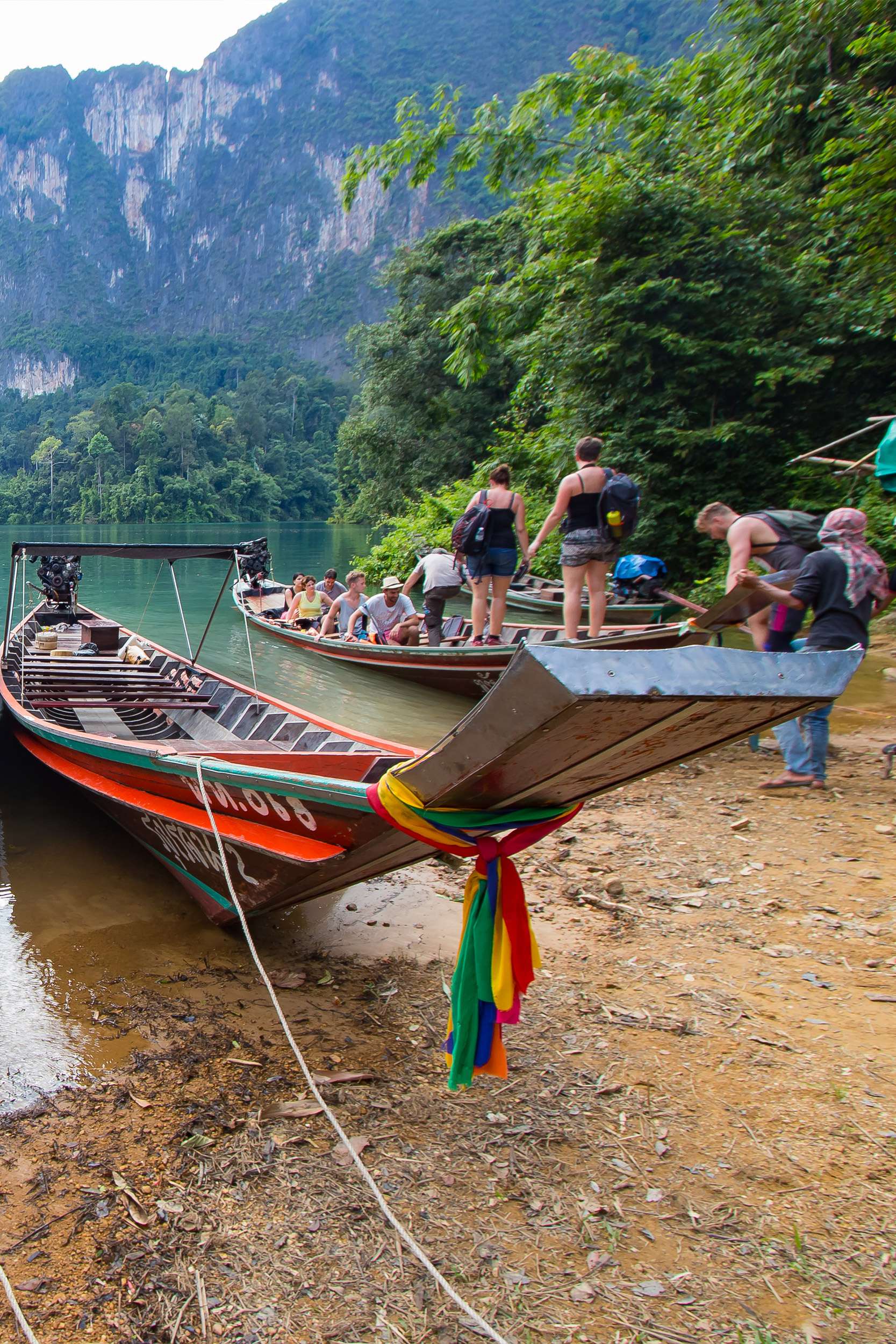
- Boat Safaris: At sunrise or sunset take long-tail boat tours to spot monkeys, birds, and perhaps elephants along the shoreline.
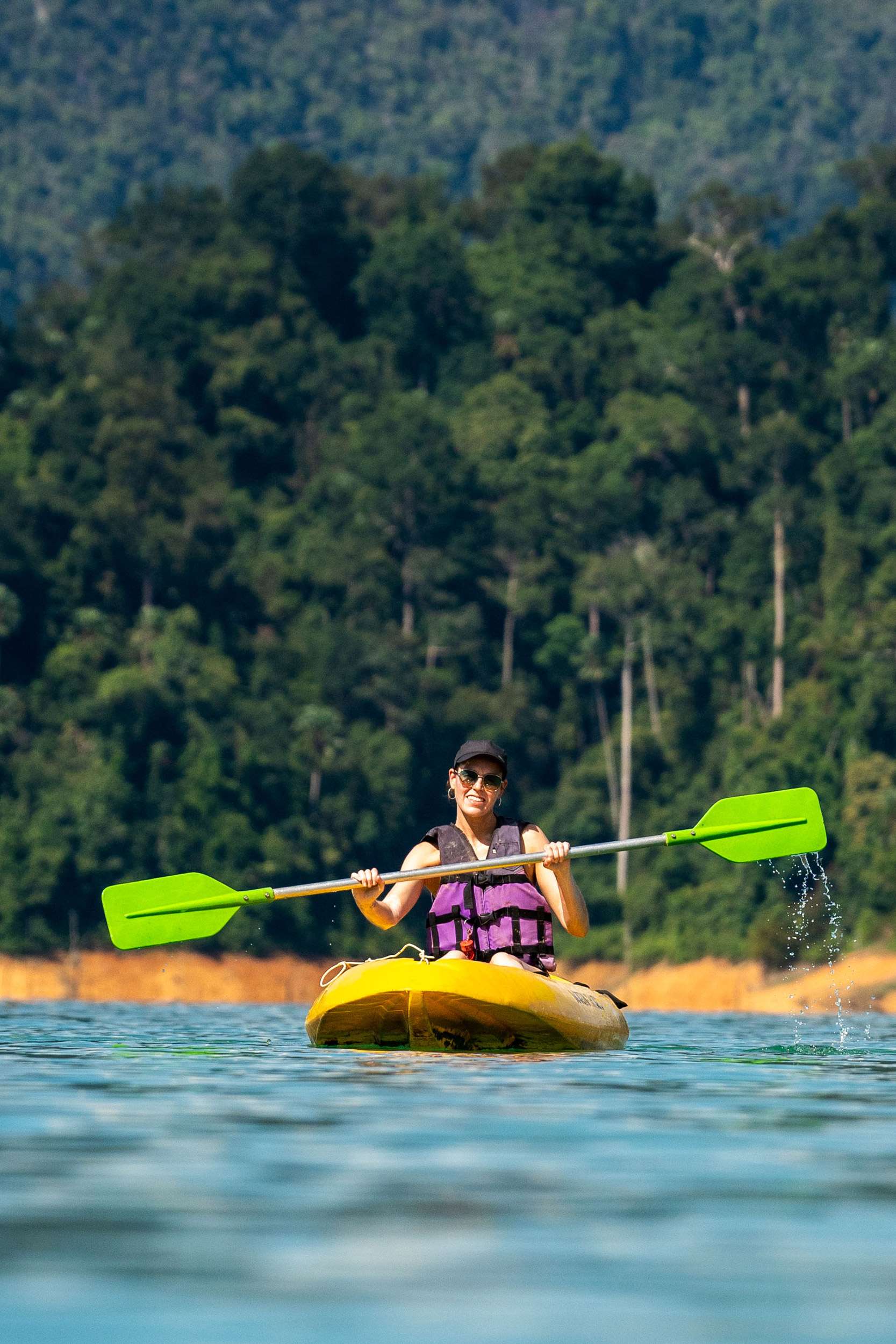
- Kayaking: Paddle quietly between limestone formations and through the many inlets.
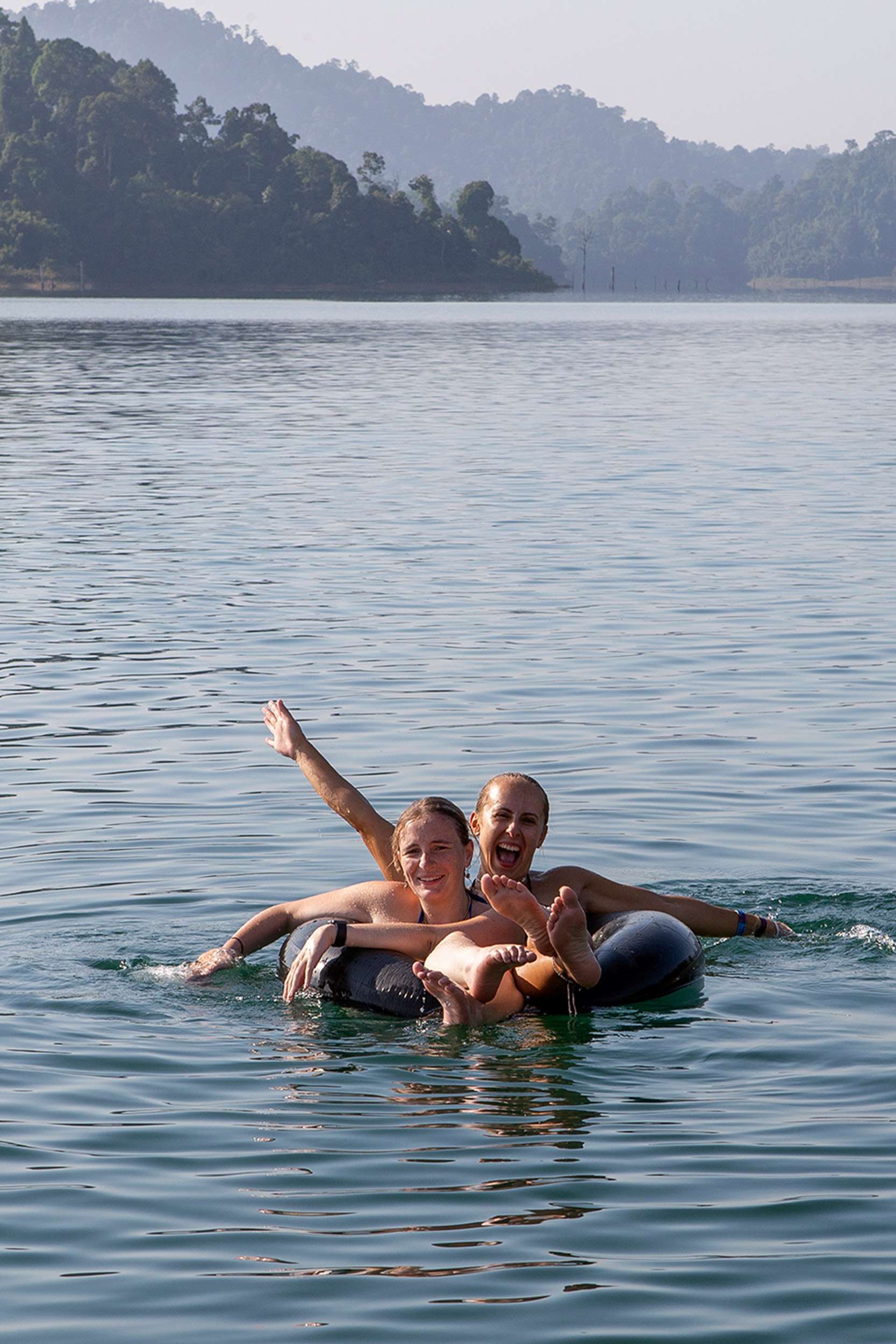
- Swimming: Cool off in refreshing emerald water — safe and invigorating.
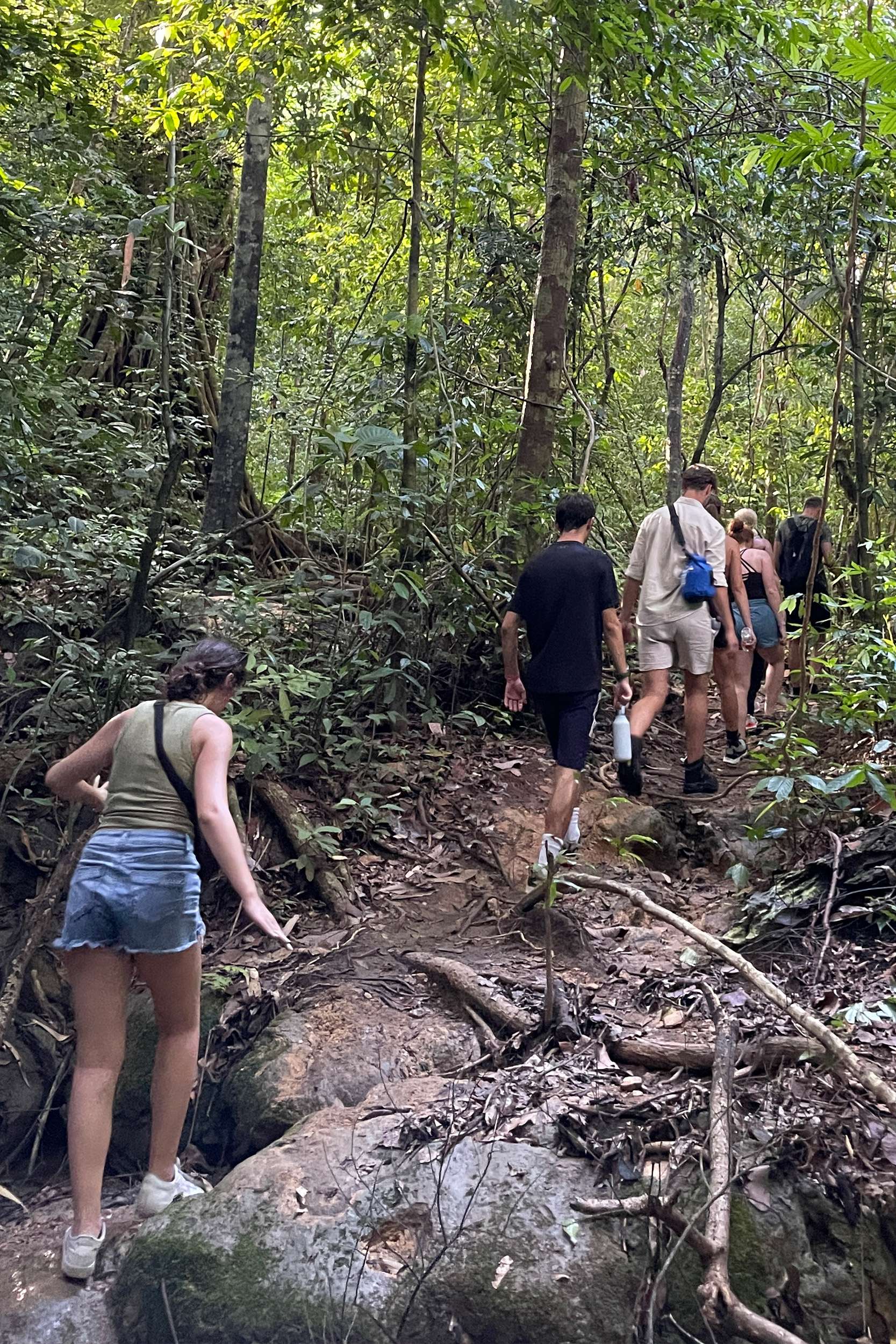
- Hiking: Trails range from short scenic walks to full-day jungle treks with guides.
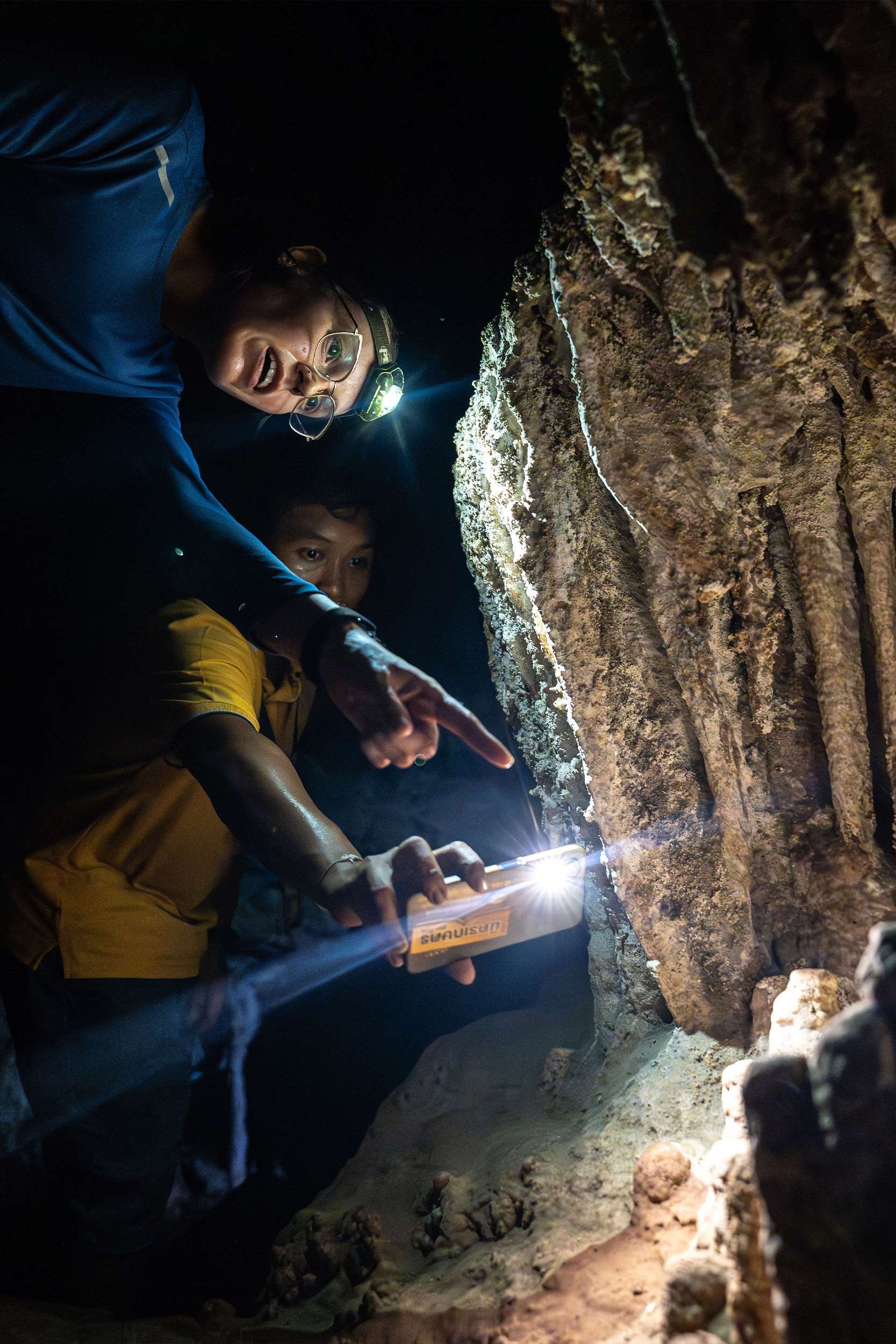
- Cave Exploration: Visit Coral Cave or Nam Talu Cave to see stunning limestone rock formations. Spot cave-dwelling wildlife such as bats, snakes, and spiders,
- “Little Guilin”: A photo hotspot named after China’s Guilin, known for its reflection of karsts in still water.
What Wildlife Will I See?
Khao Sok National Park is one of Southeast Asia’s biodiversity treasures. It’s estimated to contain over 5% of all known species on Earth!
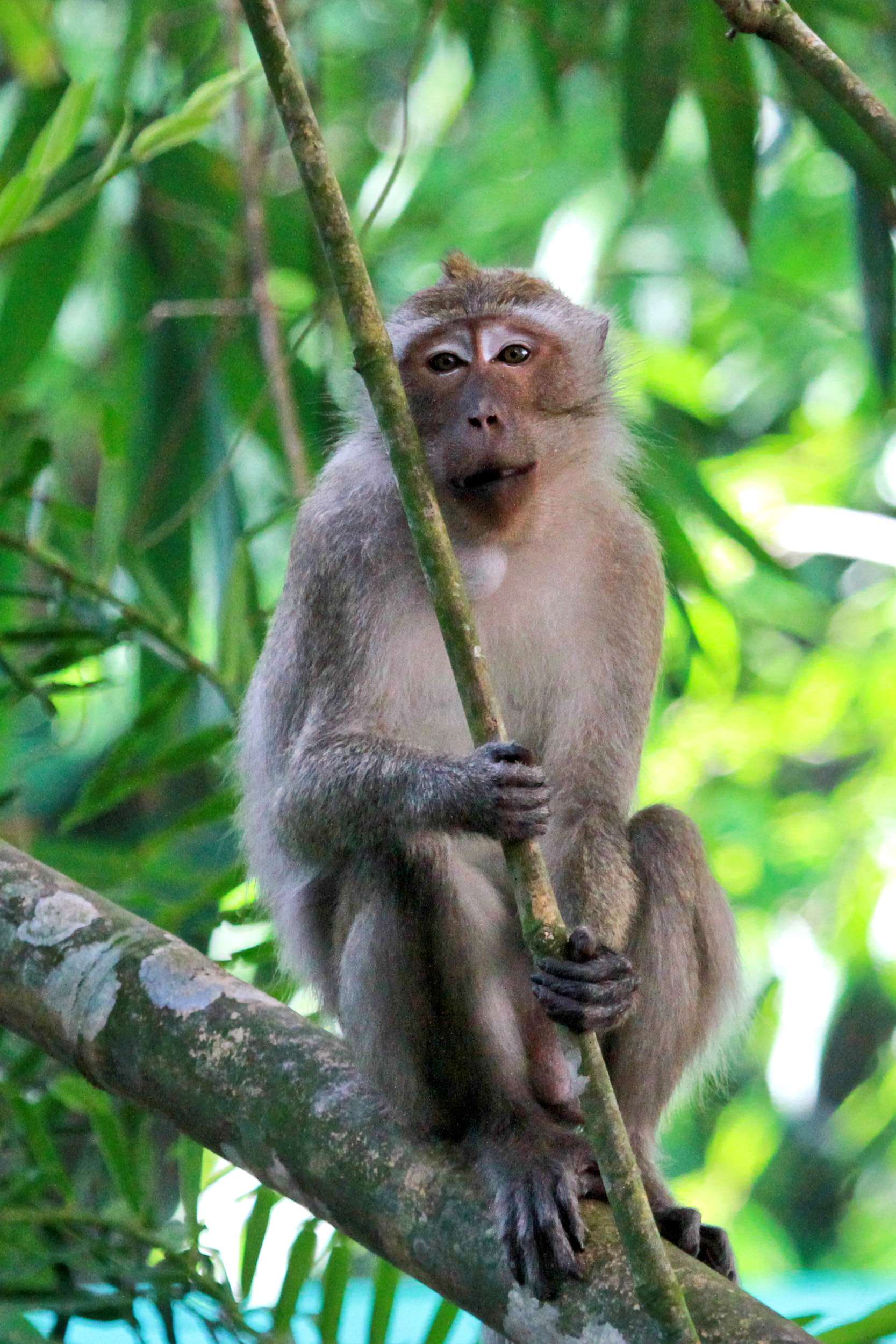
- Mammals: Long-tailed macaques, pig-tailed macaques, stump-tailed macaques, dusky langurs, and gibbons. Rarely, tapirs, wild boars or wild elephants are spotted near the water’s edge.
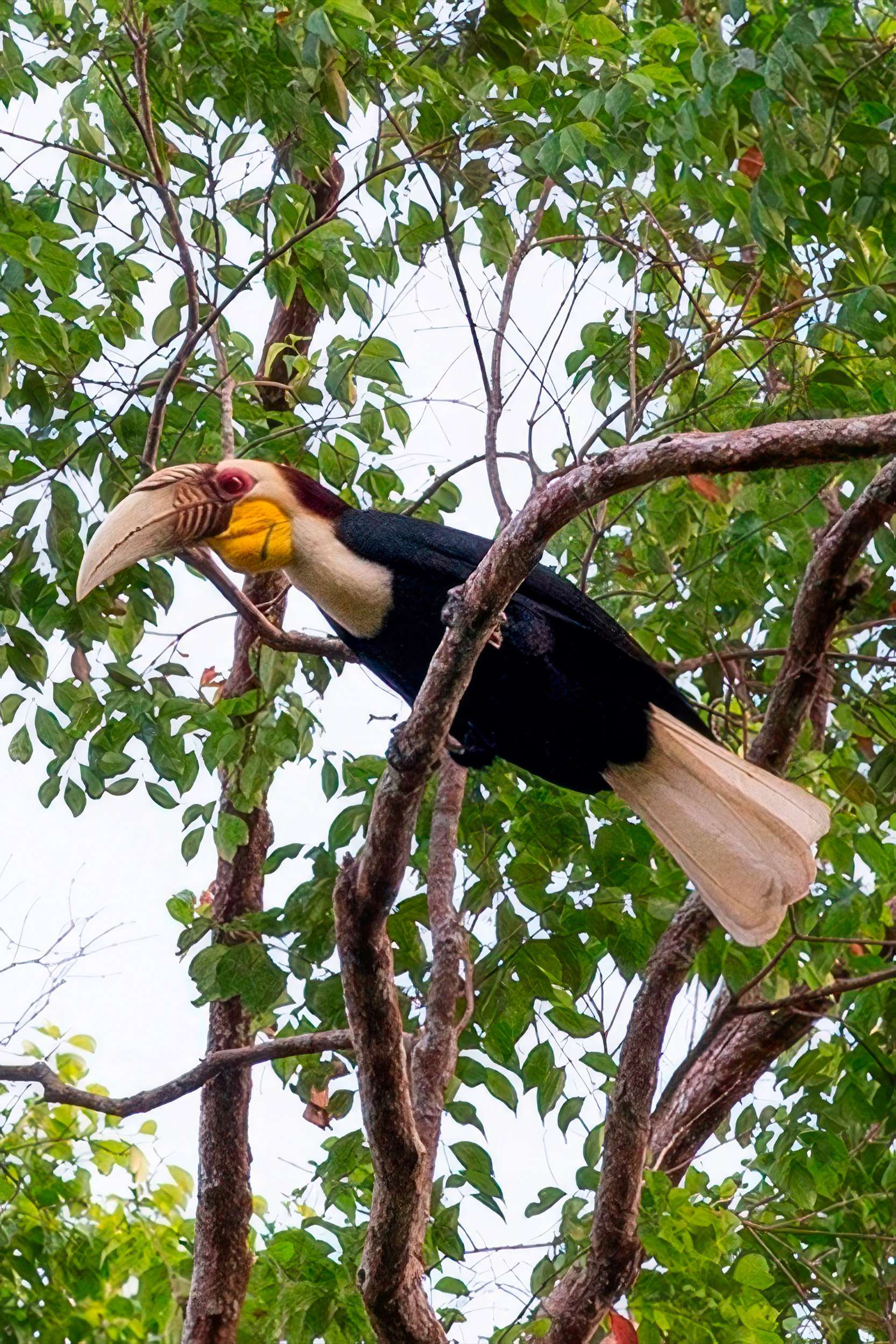
- Birds: Over 300 species, including hornbills, kingfishers, and broadbills — a paradise for birdwatchers.
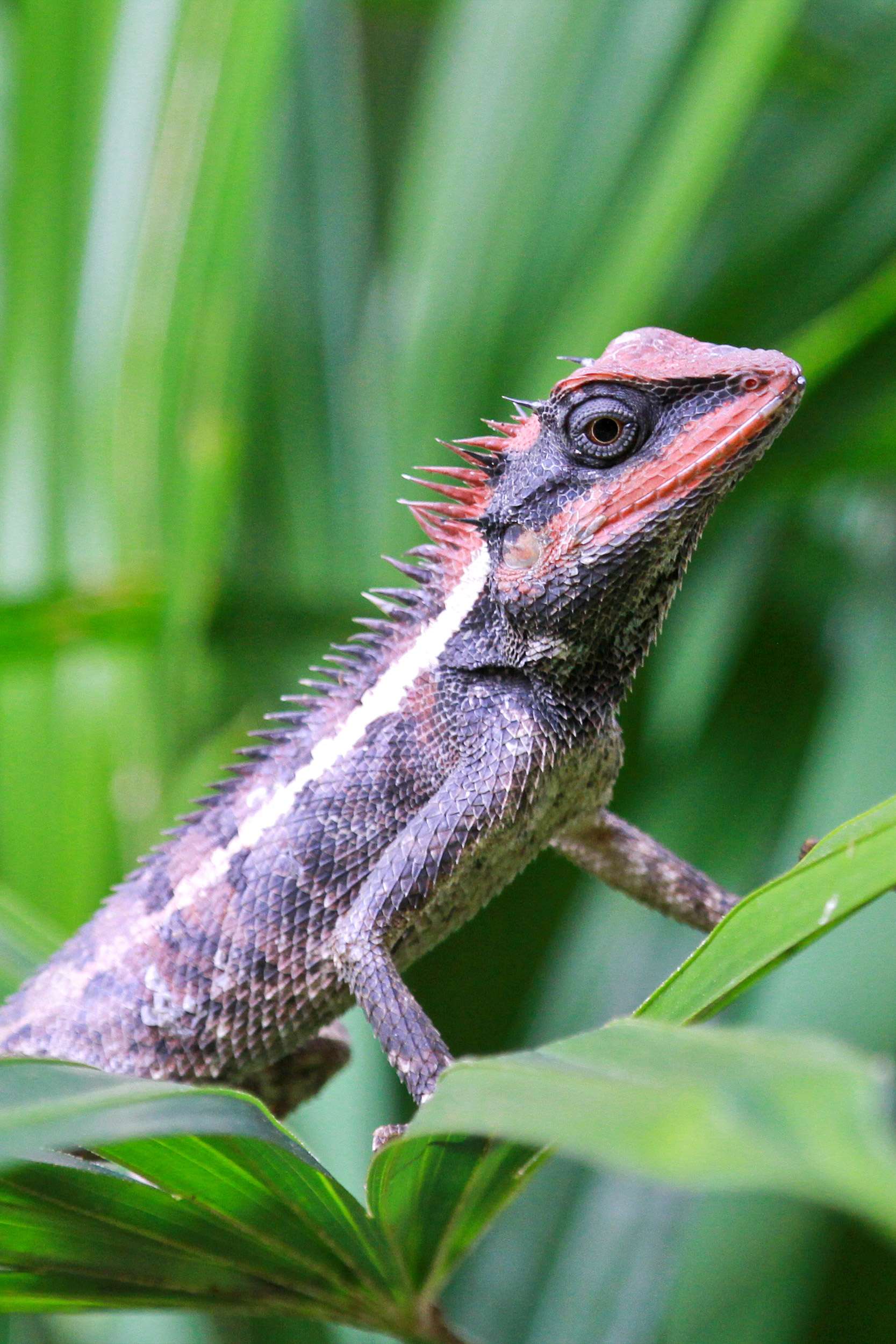
- Reptiles & Amphibians: 170+ snake species (mostly nocturnal), monitor lizards, frogs and toads.
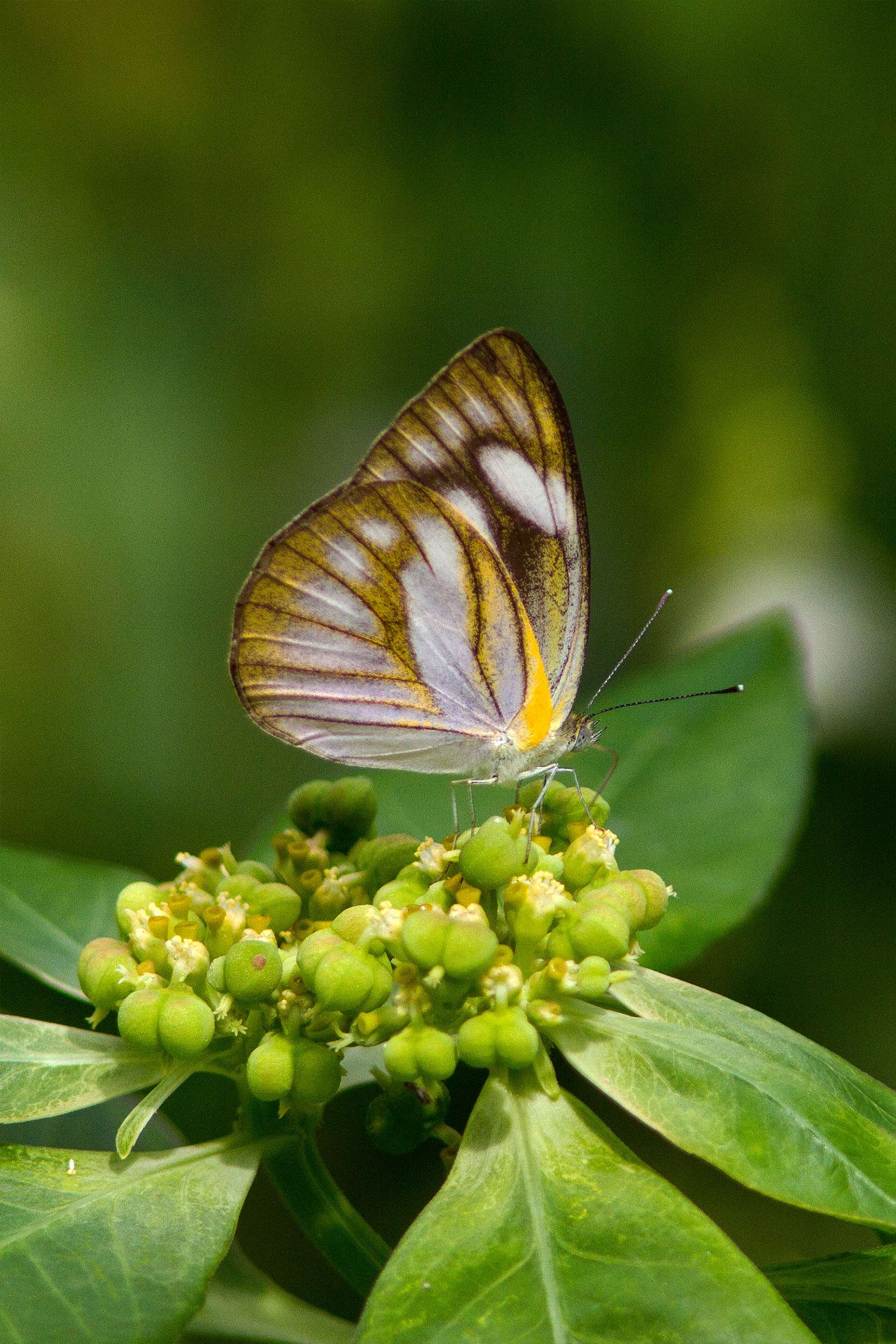
- Insects: Expect tropical abundance — Along with mosquitoes, dragonflies, beetles, spiders, and ants wonder at dazzling butterflies or the enormous Atlas moth (wingspan up to 30 cm).
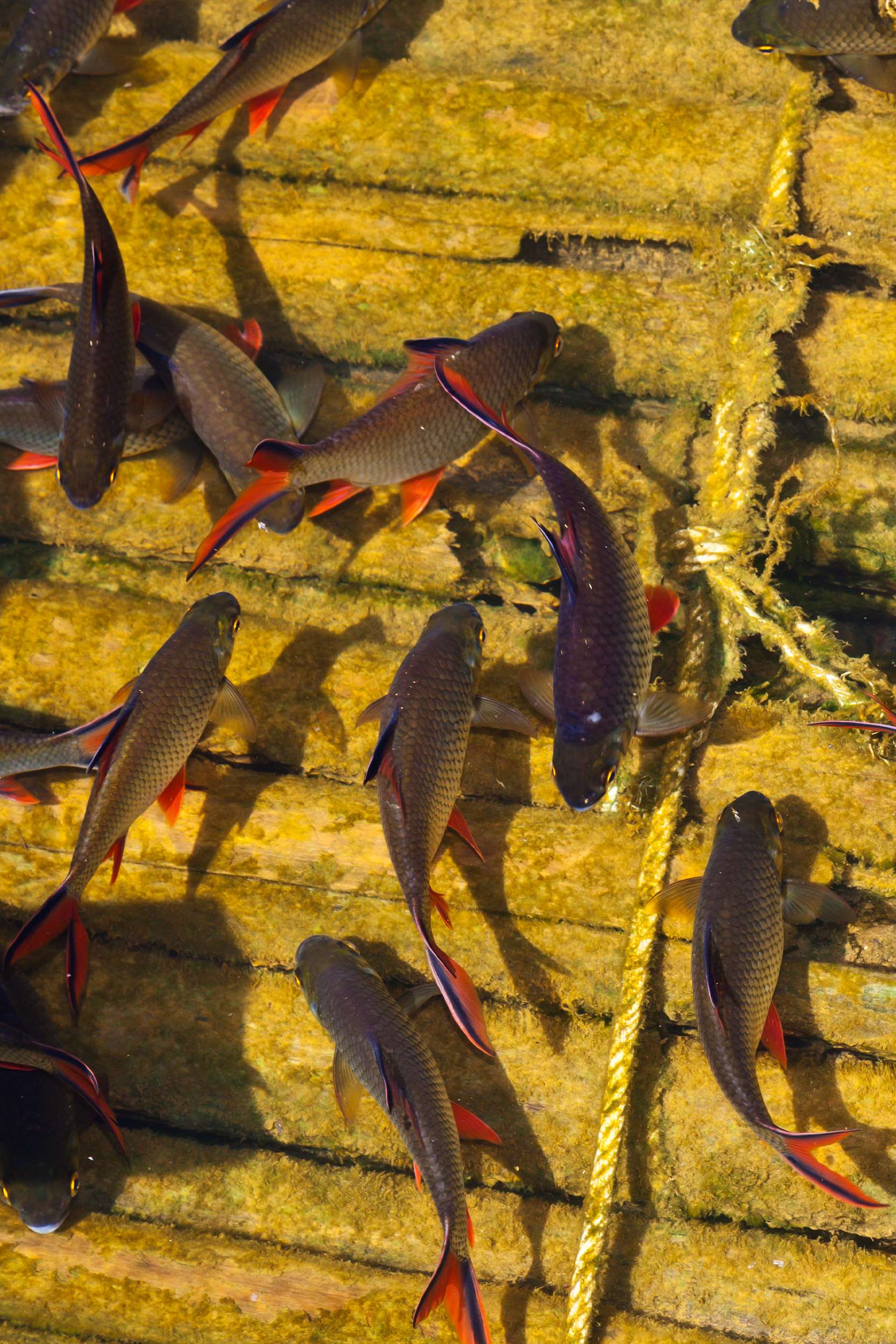
- Fish: Carp, catfish, perch, and snakeheads thrive here — you’ll often see them around the raft houses in the crystal clear water.
Floating Bungalows
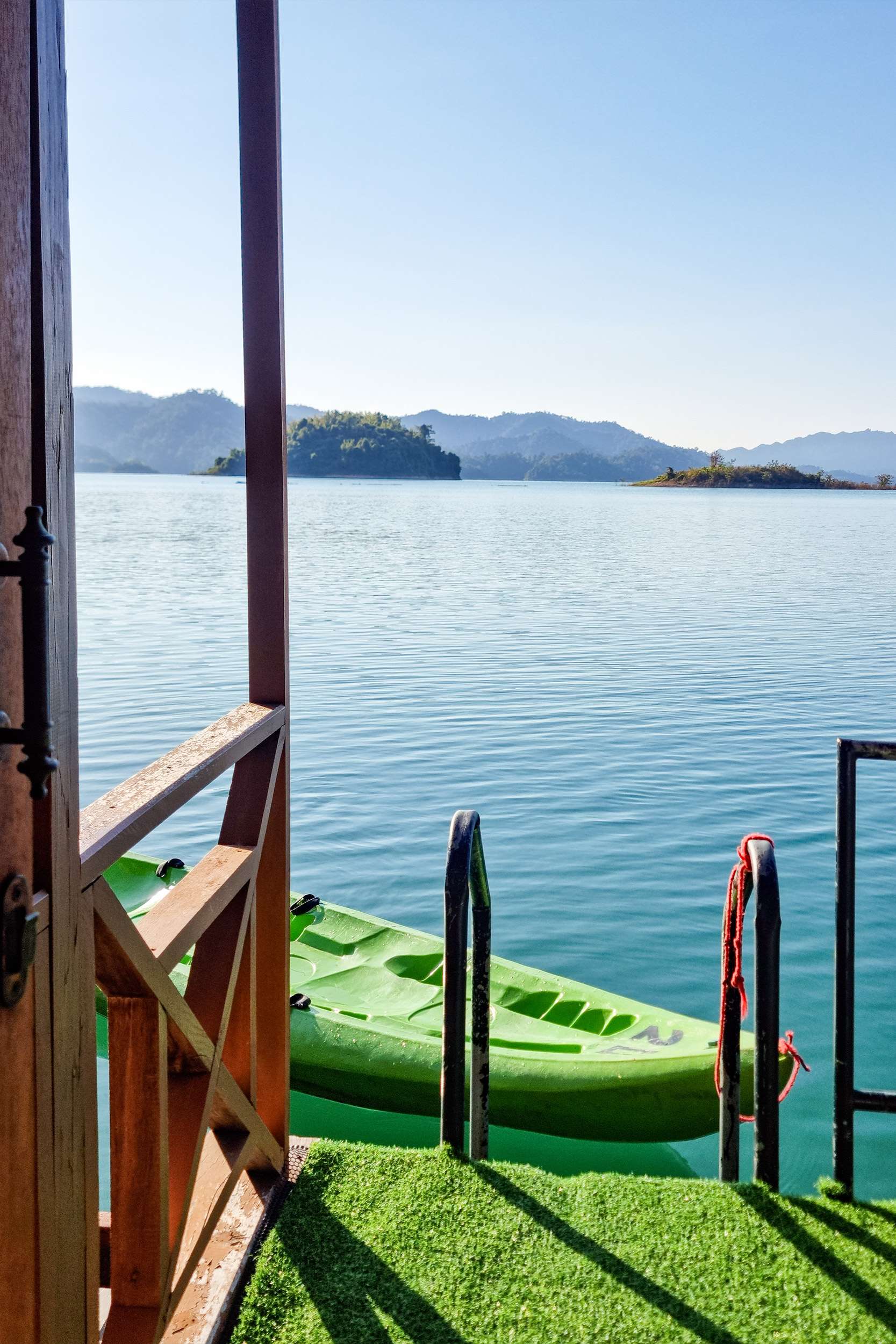
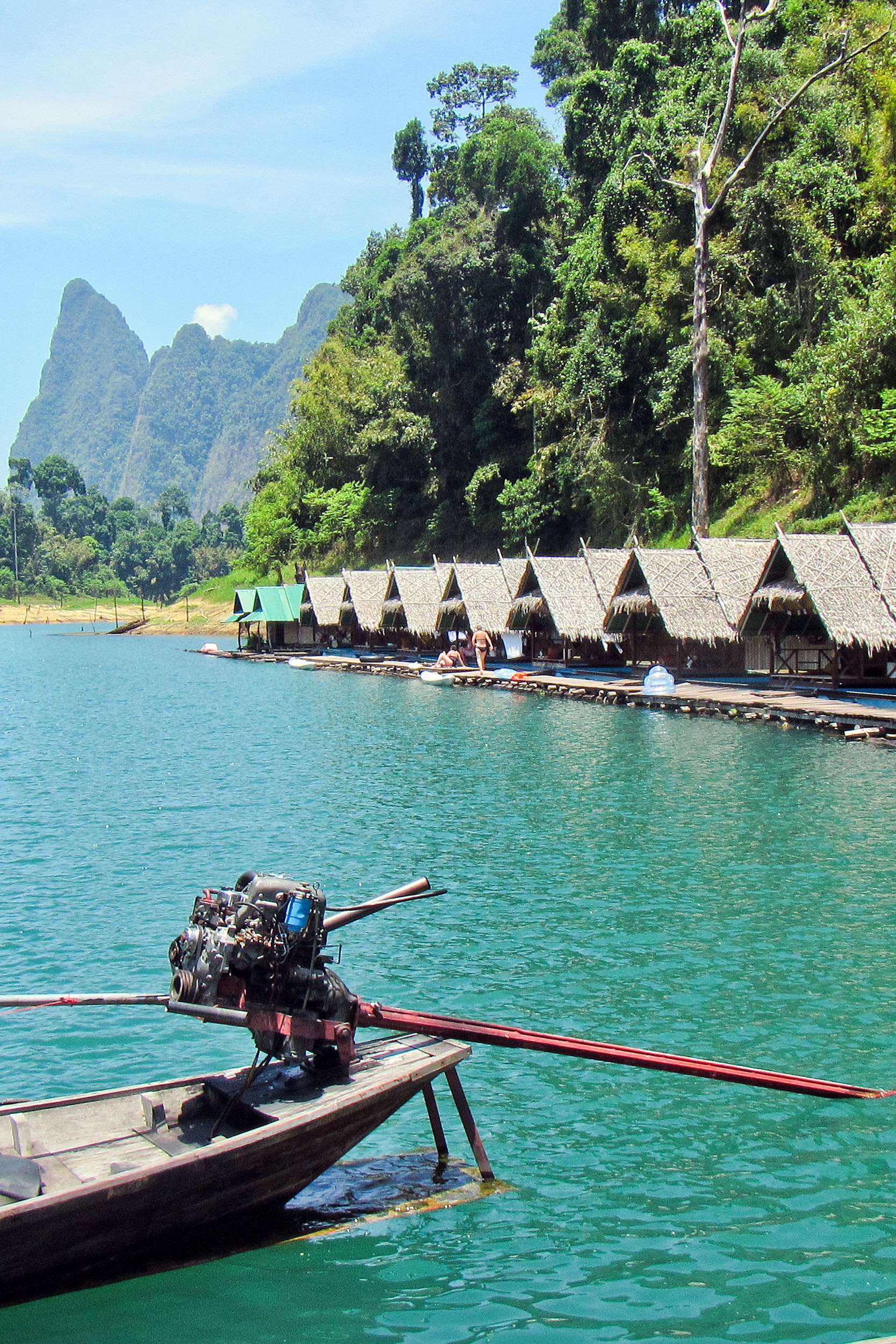
Floating bungalows (or raft houses) are a signature feature built directly on the water, the experience is unforgettable and allows travelers to be fully immersed in nature.
- Facilities: Basic to comfortable — from fan-cooled huts with shared bathrooms to more luxurious bungalows with en-suite.
- Amenities: On-site restaurant/bar, kayaks, swimming.
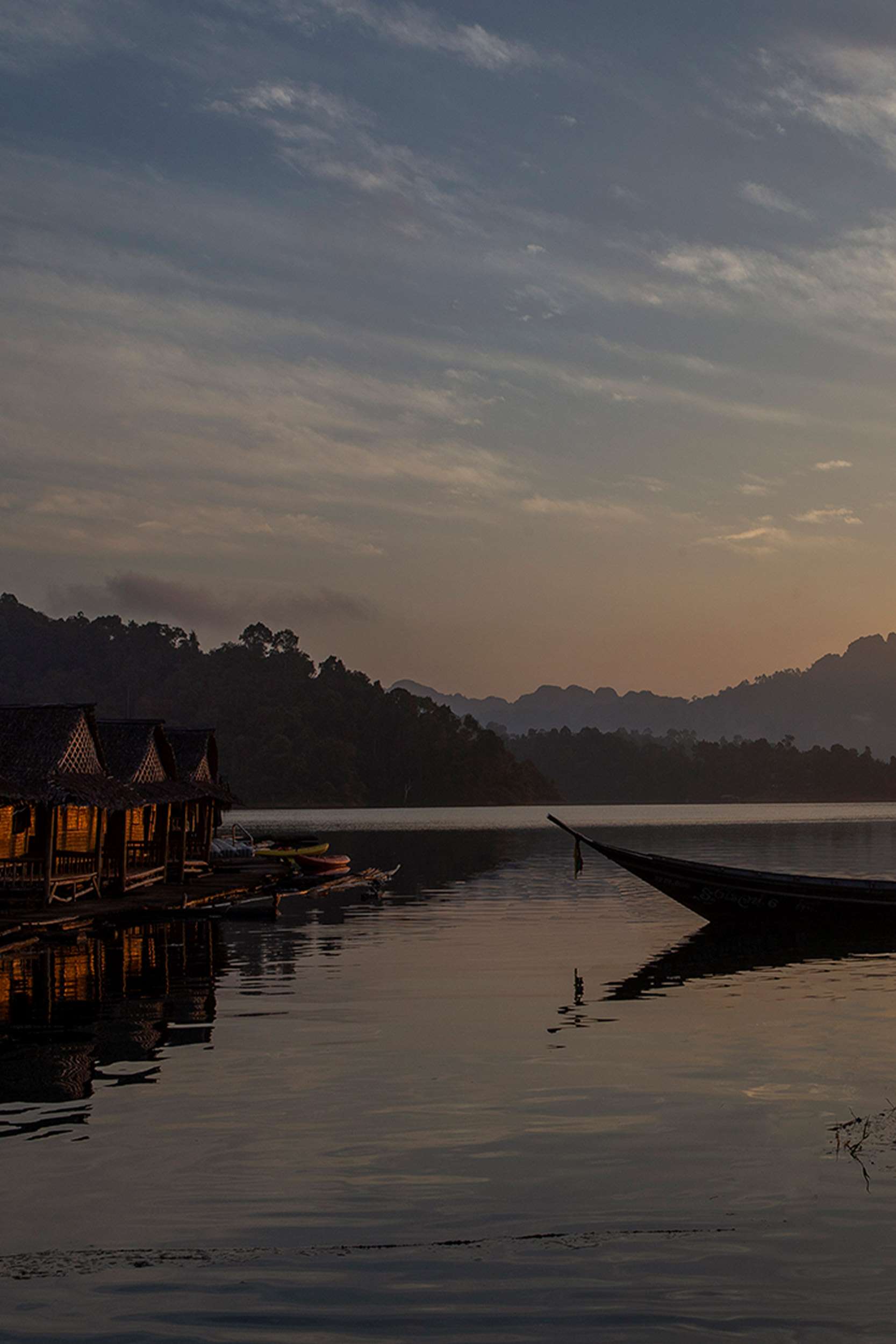
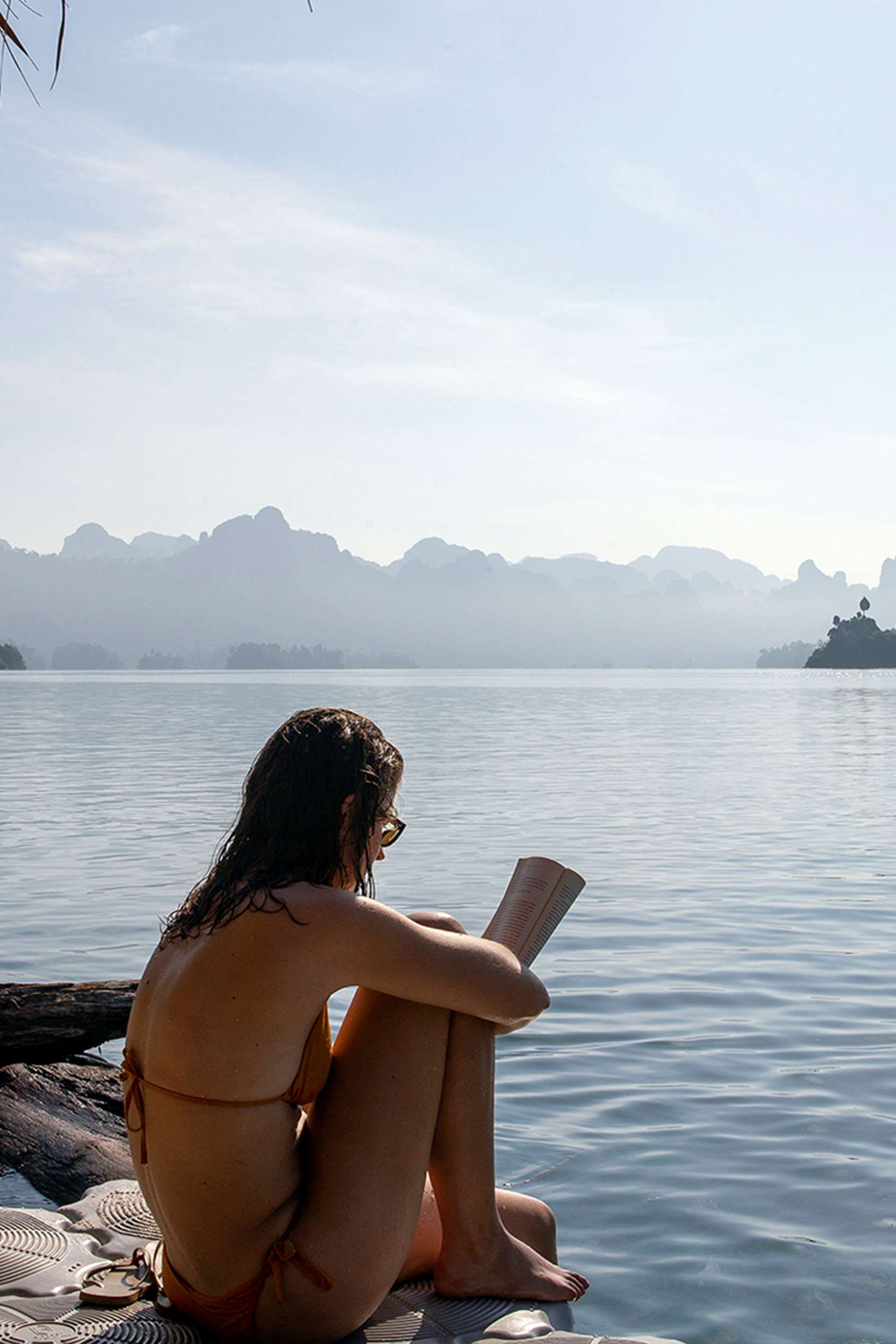
- Atmosphere: Peaceful evenings, brilliant sunsets, and misty mornings over the still lake.
Tip: For the best experience, stay at least one night and feel the magic.
Best Ways to Visit
- Day Trip
A full-day trip is Ideal if short on time. Includes a long-tail boat tour, kayaking/swimming, and a short trek or cave visit. Lunch provided. - Overnight Tour
For full immersion we suggest an overnight stay. Includes all day-trip activities plus wildlife safaris, extra relaxation time, and all meals. Choose basic or upgraded raft-house options. - Private Charter Tour
Custom itinerary and length, tailored to your schedule and comfort preferences — from eco-friendly stays to high-end floating villas.
What to Pack
| Essentials | Notes |
|---|---|
| National Park Fee | 340 THB per adult / 170 THB per child; extra 200 THB for Coral Cave |
| Mosquito repellent | Floating bungalows are mostly free of mosquitos. Needed for land based excursions. |
| Shoes & Sandals | Trekking shoes that can get wet; flip-flops for bungalows |
| Swimwear & Towel | You’ll want to swim! |
| Extra clothes | For wet/muddy treks + dry change |
| Jacket or Sweater | Vans can be chilly with A/C |
| Torch / Headlamp | For night time and early-morning starts |
| Cash | For snacks and park fees (*note: no ATMs at the pier) |
| Sun protection | Hat, sunscreen, sunglasses |
FAQs – Your questions answered
Yes — several raft-houses now offer higher-end stays with air-conditioning, private decks, and en-suite bathrooms. However you will need to make special arrangements to book them and you will need to book well in advance. Please contact reservations for more information.
Cheow Lan Lake is open year-round. The dry season (Dec – Apr) offers clear skies; the rainy season (May – Nov) brings lush scenery and waterfalls.
Yes — day trips are available from Khao Sok Village and nearby towns.
Yes. The lake lies entirely within the boundaries of Khao Sok National Park, Surat Thani Province.
No — You cannot hike on your own when you visit Cheow Lan Lake.
A variety of wildlife live in the dense rainforest. It can therefore be dangerous for inexperienced visitors. You must have a local guide for all treks, ensuring both safety and ecological protection.
Yes — swimming is safe in designated areas. There are no dangerous fish or animals in the lake, and the water is clean and warm. Avoid swallowing the water and always follow local safety advice.